— reflection on our capstone Journey
Bridging Mission and Reality:
A Reflection on Leadership, Learning, and Community Through the City of Heath Capstone
If I close my eyes, I can still see the moment our Capstone truly began. It was early on the first morning of Residency Week, and the classroom buzzed with the quiet uncertainty of people who know something important is about to start but are not yet sure what role they will play in it. Laptops clicked open. Coffee cups steamed. A stack of blank notepads waited like untouched chapters at the beginning of a story.
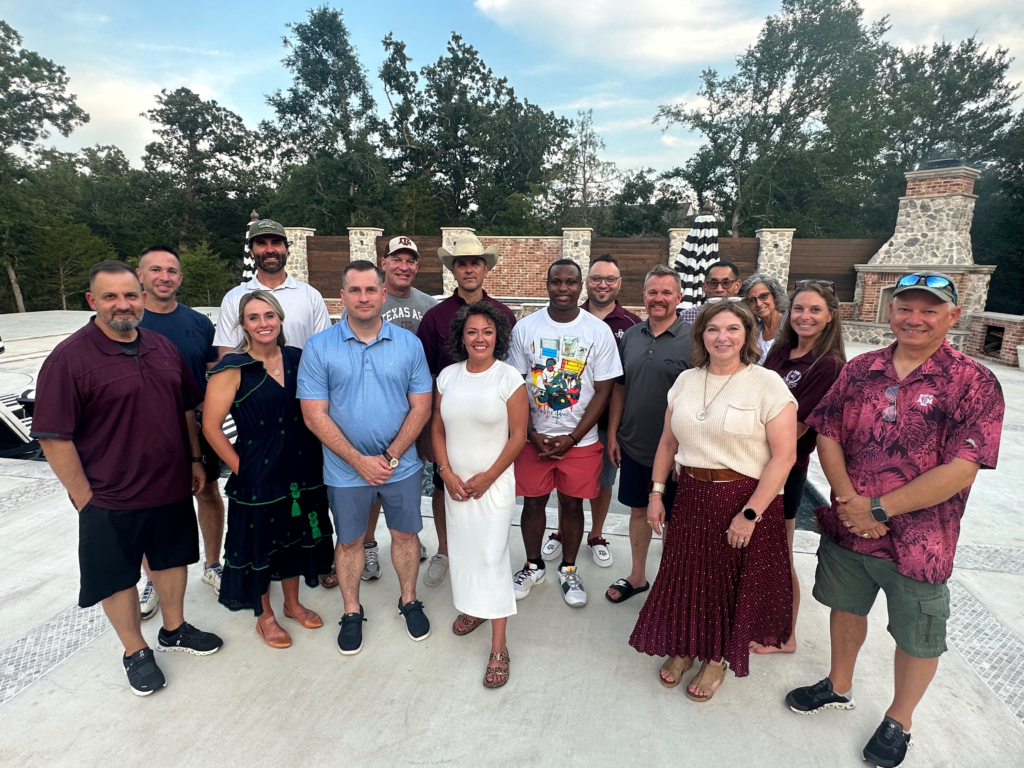
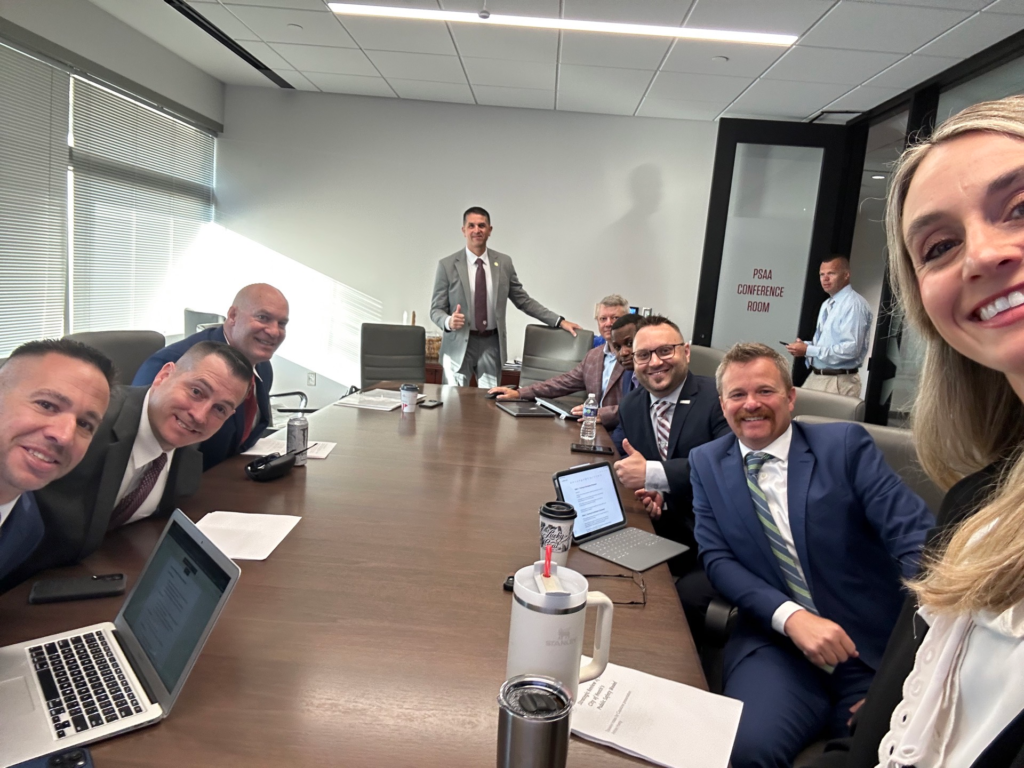
The door opened and closed behind each new team member, and with every arrival the energy in the room shifted. This was not just another project group. This was the group that would carry me through the final steps of a long and meaningful journey. Fourteen people with fourteen backgrounds, fourteen sets of strengths, fourteen reasons to be here. All of us were stepping into something we had not yet seen, and yet somehow we knew it mattered.
It began with a whiteboard.
I remember the squeak of the marker as Hector, our soon-to-be team lead, drew the first line of what would become our Capstone roadmap. There was no announcement, no formal introduction, just a quiet leadership that drew the room’s attention toward a vision. He asked questions with curiosity, not pressure. He invited input with humility, not pretense. Within minutes, voices that had been hesitant became animated. People leaned in. Ideas spread across the board like wildfire.
By lunchtime, we had a structure.
By afternoon, we had a plan.
By evening, we had the faint outlines of something even greater.
Hope.
Hope that this group was not just capable, but cohesive.
Hope that our collective experience would create something excellent.
Hope that we could serve the City of Heath with integrity and rigor.
Hope that God was weaving threads already, long before we recognized the pattern.
This Capstone taught me that disciplined collaboration, anchored in servant leadership and strengthened by authentic community, is the heartbeat of effective public service. Through structure, humility, and shared purpose, we learned not only what it means to serve, but how to walk that service out together.
Residency Week: Where Foundations Become Family
There is an undeniable shift that happens when an online program suddenly becomes face to face. Voices you only heard through speakers now carry inflections and warmth you had never noticed. Names on screens become people with stories, families, and lives outside the frame of Zoom rectangles.
Our team felt that shift immediately.
Camacho’s Commandos, as we lightheartedly came to call ourselves, realized quickly that we were an unusually strong group. Subject matter experts sat at every corner of the table. Law enforcement officers, operations managers, financial analysts, emergency service professionals, and leaders from various public service backgrounds all contributed unique insights. The diversity of experience was not intimidating. It was energizing

And somewhere between the whiteboard sessions and the cafeteria lunches, I felt my own role take shape. I have never been the loudest voice in the room. My calling is to make others successful, to hold the pieces together, to build structure in the background that helps the whole team move forward. That morning, my spiritual gift of Helps clicked quietly into place like the missing gear in a complicated machine.
While others debated staffing models or training requirements, I built the infrastructure around them. Meeting schedules. Google Drive architecture. Zotero libraries. GroupMe communication channels. Task-tracking templates. It all felt strangely natural, like this was the piece of the puzzle I had been designed to carry. And in serving the team, I felt the presence of the Lord reminding me that leadership often begins in the shadows, holding everything together so others can shine.
Our mentor, Dr. Nakamura, arrived with a calm steadiness that made our work feel grounded. His feedback was gentle but precise. When he said, “You are on the right track,” it carried weight. Our client, who had recently graduated from the EMPSA program himself, offered perspective that shaped the direction of our work. He understood our pressures, our deadlines, and the magnitude of what we were trying to accomplish.
Looking back, Residency Week was less about planning the project and more about forming a community. It marked the moment when the Capstone shifted from an academic assignment to a calling we carried together.
Project Management as Servant Leadership
Stepping into the role of Project Manager was not something I sought. It was something that simply emerged. As timelines became real and deadlines loomed, there was a need for someone to bring rhythm, order, and clarity. Someone to herd people and tasks, to align drafts, to catch blind spots, to maintain accountability, and to encourage the team when the pressure was high.
That became my work.
It did not look glamorous. It looked like late-night messages, early-morning reminders, document merging, meeting scheduling, and workflow smoothing. It looked like asking, “What do you need to succeed this week?” and truly meaning it. It looked like strengthening edges that were fraying and ensuring no one carried more than they could bear.
Leadership in this context was not positional. It was pastoral.
It was stewardship.
It was service.
Our team communicated constantly through GroupMe, offering encouragement, humor, and support during long stretches of analysis and writing. These conversations, simple as they seemed, became the glue that held us together (6.3.25 Working Notes 2025). They transformed a remote program into a real community.
The Power of Community in an Online Program
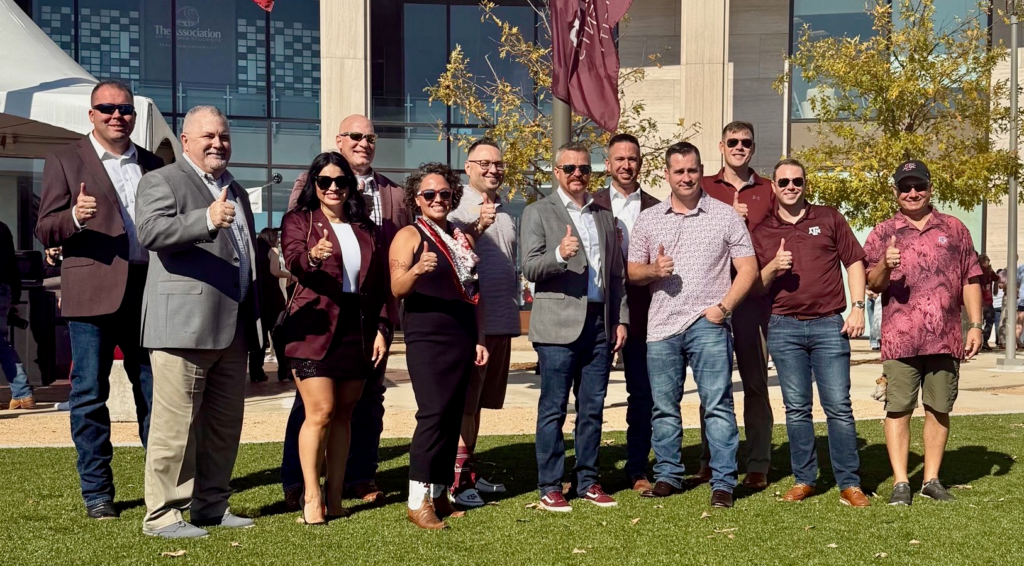
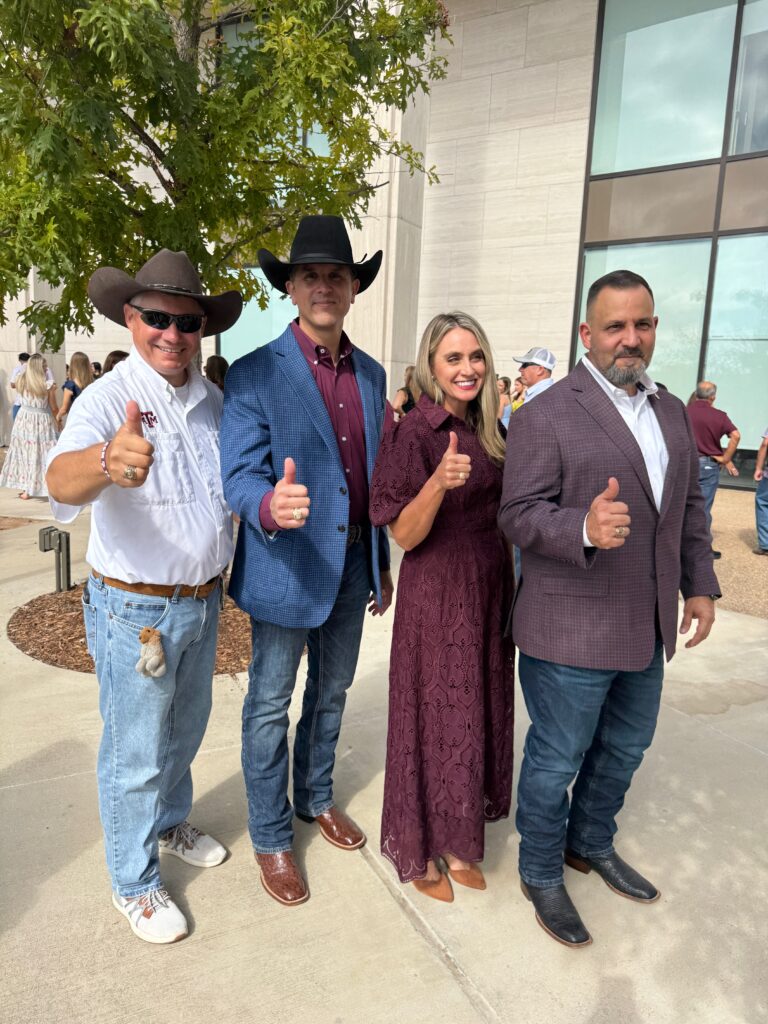
One of the greatest surprises of the EMPSA program has been the depth of relationships formed online. I expected efficiency. I did not expect friendship. I expected collaboration. I did not expect brotherhood and sisterhood.
During the Capstone, community showed up everywhere.
It showed up when someone had a family emergency and others stepped in to shoulder the workload.
It showed up when late-night humor relieved the tension of cumbersome datasets.
It showed up when we celebrated Aggie Ring milestones as if they were our own.
It showed up when someone said, “I am overwhelmed,” and the team responded with care rather than judgment.
These were not distractions from the work.
They were the fuel that kept the work going.
And I believe this sense of community made our Capstone stronger, because people do their best work when they feel supported, valued, and understood.
Applied Learning: Where Theory Meets Real Public Service
The City of Heath project brought the realities of public administration into sharp focus. Researching combined Department of Public Safety models, evaluating the 48/96 schedule, analyzing training requirements, and reviewing council records required a depth of learning that classroom discussions could not fully replicate (City of Heath Council Meetings and Official Records Review 2025).
We studied operational models, fire flow capacities, EMS burdens, budget constraints, certification requirements, and staffing shortages. Our financial team developed cost projections. Our operational team interpreted scheduling data. Our training team mapped certification pathways and compliance standards. And my role became one of synthesis, making sure all these pieces fit together cohesively and accurately (City of Heath – Capstone Booklet v2 2025).
This was where Bush School coursework came alive.
Leadership theory shaped the way we worked together.
Ethics informed the responsibility we felt toward first responders.
Finance, management, and policy courses became critical tools for analysis and recommendation.
Public service demands both intelligence and humility. The Capstone taught me that every decision made by municipal leaders impacts real people. That awareness reshaped how I view leadership and stewardship in public life.
Ethical and Spiritual Formation
Throughout the project, I often returned to the words of Micah 6:8 which call us to do justice, love kindness, and walk humbly with God. These became touchstones for how I approached the work.
Justice meant accuracy in analysis.
Kindness meant compassion for one another during stressful weeks.
Humility meant remembering that our recommendations would influence the lives of public safety professionals and the citizens they protect.
Ethics was not a theoretical conversation in this project. It was a daily practice. It showed up in how we handled sensitive information, respected differing viewpoints, represented data honestly, and centered the well-being of the community.
Spiritually, I felt the Lord using this experience to deepen patience, strengthen perseverance, and refine my understanding of servant leadership. Capstone became a formation ground, shaping both character and calling.
The Presentation: The Culmination of the Journey
I can still feel the weight of that night.
October 6, Room 2096.
Business attire.
Folders neatly stacked.
Slides queued.
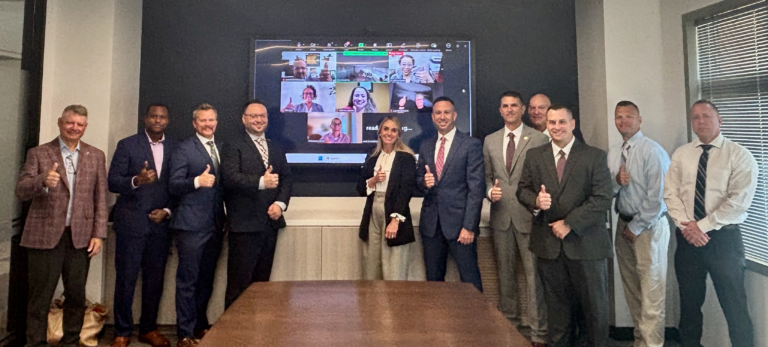
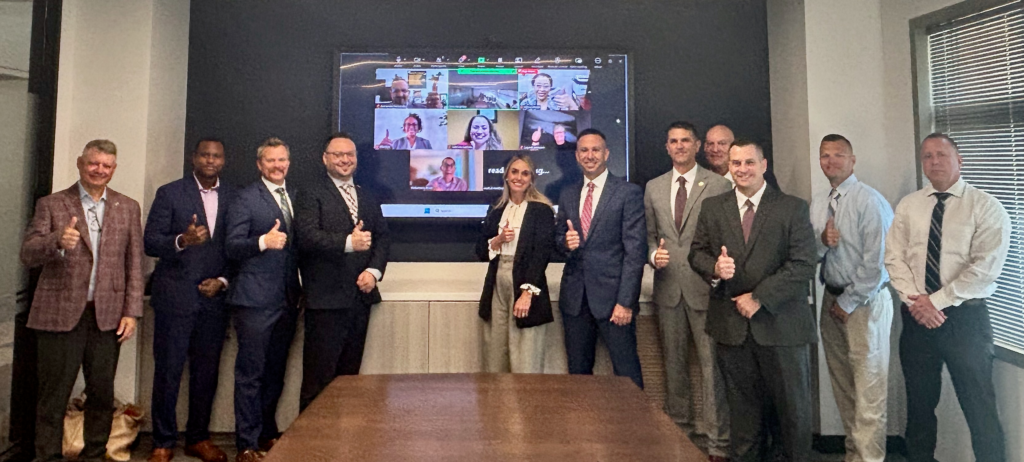
Fourteen people breathing in unison as months of work gathered into one moment.
There was a sacredness in that space. A sense that what we had created mattered. A sense that our team had become something rare and beautiful.
As the presentation unfolded, I watched with pride as each member of our team stepped into their role with confidence and clarity. Hector led with steady presence. Presenters delivered with professionalism and purpose. The rest of us supported quietly, knowing what it had taken to reach that moment.
Our client listened with attentiveness and respect. His appreciation afterward confirmed that our work had not only met expectations but carried weight.
It was more than a deliverable.
It was an act of service.
It was our offering to a community we had come to care about.
Conclusion: What This Journey Formed in Me
When I look back on the Capstone, I see more than a project. I see formation.
I see a community shaped by shared mission.
I see leadership refined through service.
I see academic knowledge transformed into practical wisdom.
I see friendships that will last beyond the program.
I see the Lord’s quiet work, weaving patience, humility, and love for public service into deeper places of my heart.
This Capstone embodied every competency of the Medal of Excellence. It required leadership, teamwork, ethics, communication, critical thinking, and applied learning. And it reminded me why public service is sacred work. It matters because people matter. It is dignified because the communities we serve bear the image of God.
The lesson I carry forward is simple. Leadership is faithfulness. Public service is stewardship. And the strongest teams emerge not from skill alone, but from compassion, courage, and the shared belief that we are better together.
References
City of Heath. 2025. City of Heath Council Meetings and Official Records Review. Internal Report.
City of Heath. 2025. City of Heath – Capstone Booklet v2. Client Project Briefing Document.
Reighley, Chris. 2025. 6.3.25 Working Notes. Capstone Team Internal Document.
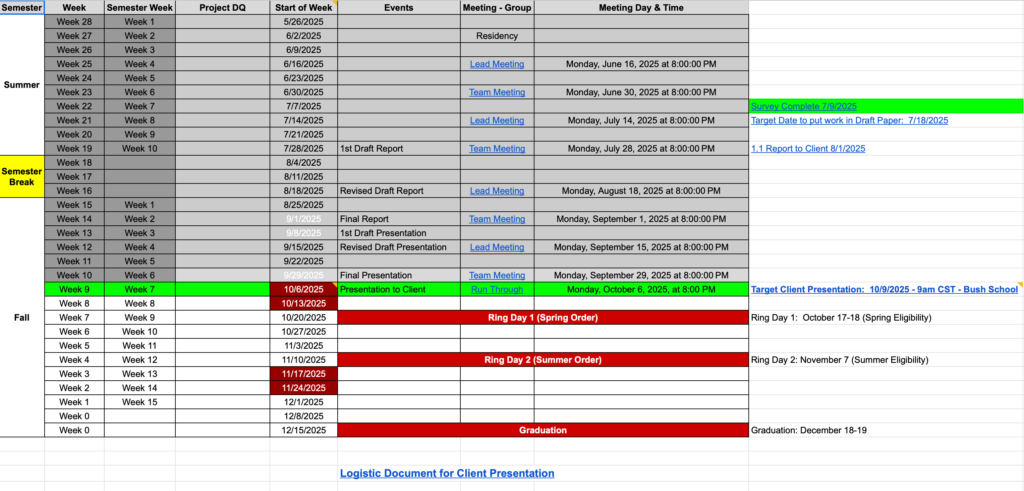
Texas A&M University Bush School. 2025. Timeline – Capstone 2025 Summer. Capstone Schedule Document.
Personal Reflections
These reflections were written during my graduate studies at the Bush School of Government and Public Service, where I was honored to receive the Medal of Excellence. The award recognizes students who demonstrate academic rigor, leadership, service, and a commitment to the public good. For me, it also became a reminder that public service is not simply a career field. It is a calling that intersects faith, stewardship, and the love of neighbor.
What follows are the reflections that shaped my journey: lessons learned, moments of clarity, and insights gained along the road. They represent the integration of faith and public service, classroom and calling, personal growth and spiritual formation. My prayer is that these reflections encourage you to think deeply, live faithfully, and serve with integrity wherever God has placed you.
Learn more about the Medal of Excellence and these Personal Reflections